The Evolution of AI Character Chat: From Scripted Bots to Living Conversations

The Evolution of AI Character Chat: From Scripted Bots to Living Conversations
Remember the days when chatting with a bot felt like talking to a vending machine? You pressed a button, got a canned response, and walked away feeling vaguely unsatisfied. Those days are rapidly fading. Today, AI character chat has transformed into something far more immersive — a space where fictional personas, historical figures, and entirely new creations can hold nuanced, emotionally resonant conversations that adapt to your every word. This isn’t just a technological upgrade; it’s a cultural shift in how we interact with machines.
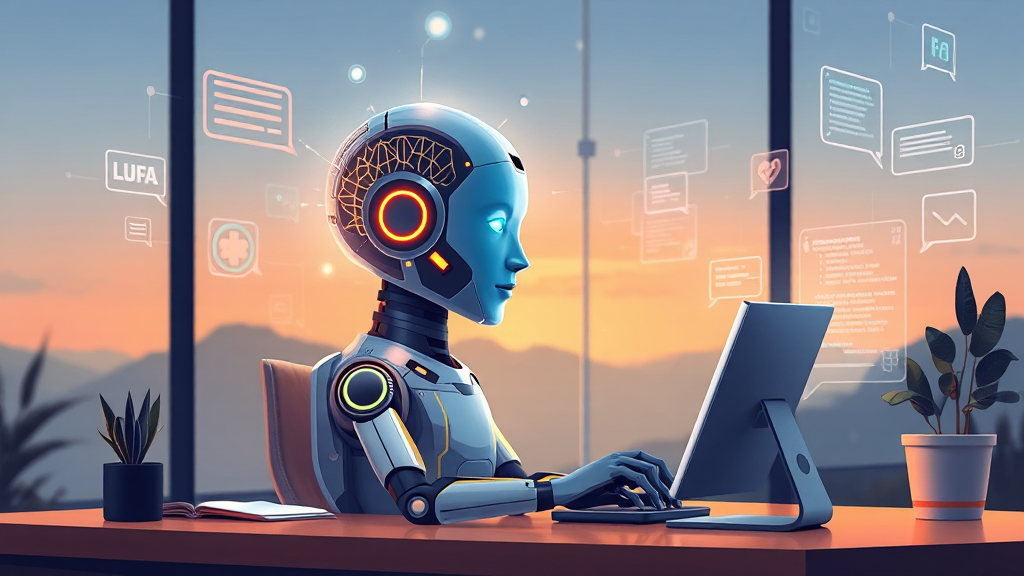
For years, chatbots were rule-based systems, rigidly programmed to follow decision trees. Ask a question outside their narrow parameters, and they’d stumble or redirect to a generic FAQ. The breakthrough came with large language models (LLMs) and generative AI, which enabled bots to understand context, infer intent, and generate original responses. But the real magic happened when developers wrapped these models in character — giving them personalities, memories, quirks, and even emotional arcs. Now, instead of a generic assistant, you can converse with a witty pirate, a compassionate therapist, or a cyberpunk detective who remembers your last adventure.
This evolution matters because it changes the nature of the conversation itself. When you engage with a well-crafted AI character, you’re not just retrieving information; you’re participating in a co-created narrative. The AI doesn’t just respond to your prompts — it reacts to your tone, picks up on your humor, and can even challenge your assumptions. It’s a dynamic, interactive form of storytelling that feels alive. And as these systems improve, the line between scripted bot and genuine conversational partner continues to blur.
Why AI Character Chat Is More Than a Gimmick
Some skeptics dismiss AI character chat as a novelty — a fun toy for tech enthusiasts but not something with real-world value. That view is increasingly outdated. Consider the practical applications: educators use character-based simulations to help students practice language skills with patient, non-judgmental partners. Writers use AI personas to brainstorm dialogue and explore character motivations. Mental health apps are experimenting with supportive AI companions that offer a safe space for self-expression. Even in customer service, brands are creating branded personas that embody their voice, making support interactions more engaging and human.
The key is the depth of interaction. Unlike a simple Q&A bot, an AI character chat experience is built around sustained engagement. These systems maintain context over long conversations, remember earlier details, and can even evolve their personality based on your choices. This creates a sense of continuity that makes the interaction feel less like using a tool and more like building a relationship. For many users, that’s deeply compelling. It’s why millions of people are spending hours each week talking to their favorite AI characters — not because they’re lonely, but because the experience is genuinely rewarding.
Moreover, the technology is becoming more accessible. You don’t need to be a programmer to create your own AI character. Many platforms now offer simple interfaces where you can define a character’s backstory, traits, and speaking style, then immediately start chatting. This democratization is fueling a creative explosion, with users crafting everything from fantasy roleplay companions to virtual mentors.
The Technology Behind the Magic
Under the hood, AI character chat relies on a sophisticated stack of technologies. At the core are transformer-based language models that have been trained on vast corpora of text. These models learn patterns in language, enabling them to generate coherent and contextually appropriate responses. But character-specific behavior requires more than just a generic model. Developers use techniques like prompt engineering, fine-tuning, and memory augmentation to shape the model’s output.
Prompt engineering involves crafting a detailed system prompt that describes the character’s personality, background, and conversational style. This prompt acts as a set of instructions that guide the model’s responses. Fine-tuning goes a step further, training the model on curated dialogues that exemplify the character’s voice. Memory systems, meanwhile, allow the AI to recall past interactions, storing key facts and emotional beats in a vector database. This is what enables a character to say, “You mentioned your cat was sick — how is she doing now?” hours or days later.
Another crucial element is the safety and alignment layer. Because characters can be unpredictable, platforms often implement filters and moderation tools to prevent harmful content. This is a delicate balance — you want characters to be expressive and free, but not at the cost of user safety. As the field matures, we’re seeing more sophisticated approaches to alignment, including reinforcement learning from human feedback (RLHF) to fine-tune responses to be more helpful and less toxic.
How to Get the Most Out of AI Character Chat
If you’re new to AI character chat, you might be wondering how to make the most of it. The first step is choosing a platform that suits your needs. Some focus on roleplay and entertainment, while others emphasize utility or emotional support. Once you’ve found a home for your conversations, take time to explore different characters. Don’t just stick to the popular ones — try obscure creations that might surprise you. The beauty of this medium is that every character has a unique perspective.
When you start a conversation, treat it like you would with a human. Be specific about your intentions. If you want to practice a language, tell the character that. If you’re looking for a creative writing partner, set the scene. The more context you provide, the richer the interaction. Also, don’t be afraid to guide the conversation. If a character goes off track, you can gently redirect. Remember, these AIs are designed to be collaborative — they’re not just responding; they’re trying to engage you.
Another tip: use the memory features to your advantage. If a platform allows you to set long-term memory, use it to build a backstory with the character. This can lead to incredibly immersive experiences where the AI references past events, creates callbacks, and even changes its attitude toward you based on your history. It’s a level of personalization that was unthinkable just a few years ago.
Creative and Practical Use Cases
The versatility of AI character chat is one of its strongest selling points. For creatives, it’s a brainstorming tool that never runs out of ideas. Imagine you’re a novelist stuck on a dialogue scene. You can create a character that embodies your antagonist and have a conversation with them, probing their motivations and uncovering insights you hadn’t considered. Similarly, game designers can prototype NPC interactions, testing how different personalities respond to player choices.
In education, AI characters can serve as tutors or language partners. A student learning Spanish can chat with a virtual Mexican grandmother who shares stories about her childhood, correcting grammar gently and offering cultural context. It’s a far more engaging way to learn than rote memorization. For those with social anxiety, AI characters can provide a low-pressure environment to practice social skills. You can rehearse difficult conversations, get feedback on your communication style, and build confidence without fear of judgment.
Even in professional settings, AI character chat is finding a niche. Sales teams use AI personas to simulate customer objections, helping reps refine their pitches. HR departments use them to train managers on empathetic communication. And in therapy, some practitioners are exploring AI companions as a supplement to traditional treatment, offering clients a way to journal or explore feelings between sessions. The potential is enormous, and we’re only scratching the surface.
Ethical Considerations and Responsible Usage
As with any powerful technology, AI character chat comes with ethical responsibilities. One concern is the potential for users to develop unhealthy attachments to AI characters, especially if they’re used as a substitute for real human interaction. While these systems can be beneficial for some, they should not replace genuine social connections. It’s important for platforms to encourage balanced usage and provide resources for users who may be struggling.
Another issue is consent and representation. Characters can be modeled after real people, which raises questions about likeness and permission. The industry is still grappling with how to handle this. Some platforms have policies against creating characters based on living individuals without consent, but enforcement is tricky. As a user, it’s important to respect these boundaries and consider the impact of your creations.
Finally, there’s the matter of transparency. Users should know when they’re talking to an AI, even if it’s a fictional character. Most platforms are clear about this, but it’s worth keeping in mind. The goal is not to deceive but to enhance. By being mindful of these ethical dimensions, we can ensure that AI character chat remains a positive force in our lives.
Frequently Asked Questions
What is AI character chat?
AI character chat refers to conversational AI systems that adopt a specific persona or character, allowing users to engage in dialogues that feel like talking to a fictional or virtual person. These systems use advanced language models to generate responses that align with the character’s personality, memory, and context, creating immersive interactions.
How is AI character chat different from regular chatbots?
Regular chatbots are typically task-oriented and designed to answer specific questions or perform simple functions. AI character chat goes beyond that by focusing on personality and narrative. It maintains context over longer conversations, remembers past interactions, and can adapt its tone and behavior to match the character’s traits, resulting in a more dynamic and engaging experience.
Can I create my own AI character?
Yes, many platforms allow users to create custom AI characters. You can define the character’s name, backstory, personality traits, and communication style. Some platforms even let you upload documents or images to influence the character’s knowledge base. Once created, you can share your character with others or keep it private.
Is AI character chat safe to use?
Safety depends on the platform and how you use it. Reputable platforms implement content filters and moderation to prevent harmful interactions. However, it’s important to be cautious about sharing personal information, as AI characters are not humans and cannot provide genuine confidentiality. Always use these services responsibly and be aware of the limitations.
What does the future hold for AI character chat?
The future is bright. We can expect more realistic and emotionally intelligent characters, better memory and context handling, and greater integration with other media like virtual reality. As AI models become more capable, the line between human and machine conversation will continue to blur, opening up new possibilities for entertainment, education, and personal growth.